Perhaps realizing that apologizing isn’t a sign of weakness,Snapchat, the popular photo messaging application, took to the official blog to apologize for the spam increase observed during the weekend.
“We’ve heard some complaints over the weekend about an increase in Snap Spam on our service,”a Monday post reads. The company has tried to make peace with disgruntled users by offering a formal apology.“We want to apologize for any unwanted Snaps,”the team wrote.

The spam increase, the post claims, has nothing to do with arecent breachthat saw a group of hackers breach its database and post 4.6 million user names and phone numbers on the web…
The blog post reads:
We’ve heard some complaints over the weekend about an increase in Snap Spam on our service. We want to apologize for any unwanted Snaps and let you know our team is working on resolving the issue. As far as we know, this is unrelated to the Find Friends issue we experienced over the holidays.
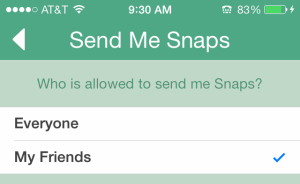
While we expect to minimize spam, it is the consequence of a quickly growing service. To help prevent spam from entering your feed, you’re able to adjust your settings to determine who can send you Snaps. We recommend “Only My Friends”.
Correct me if I’m wrong, but hasn’t Snapchat promised back in April 2013 to bring“a long term solution to prevent spam from entering your feed”? And I’m not buying Snapchat’s denial that the spam increase isn’t related to the database leak.
With the 4.6 million Snapchat user names posted on the web, who’s to say spammers haven’t gotten hold of the data and used it to send unwanted snaps?

At any rate, you should change your privacy settings in Snapchat (the “Who can send me snaps” setting) to only allow snaps from friends rather than from anyone with your user name.
AsTechCrunchpoints out, Snapchat spam erodes the anticipation of receiving a legitimate Snap and knowing you have to pay attention when watching because you only get to see it once. Also problematic: users can’t report spam inside the application.

As you know, Snapchat last weekissued an app updateallowing folks to opt out of the Find Friends feature which was exploited to obtain user names and phone numbers.
Snapchat was created in 2011 by then Stanford University students Evan Spiegel and Robert Murphy. Privacy-minded users and the younger audience fond of showing their body parts online have quickly embraced the application due to its ability to set a time limit for how long recipients can view their photos, videos and drawings.

After the cut-off period, these so-called snaps would gethidden from the recipient’s device and deleted from Snapchat’s servers. Following Snapchat’s success, a growing number of startups are now creating so-called “dissapear” messaging apps.
One such example isConfide, afree iPhone applicationbilled as the Snapchat for text messages.
The software, pictured above, takes user privacy to new heights with self-destructing messages and an interesting implementation of screenshot protection: the messages must first be swiped with your finger to actually reveal the words.
